
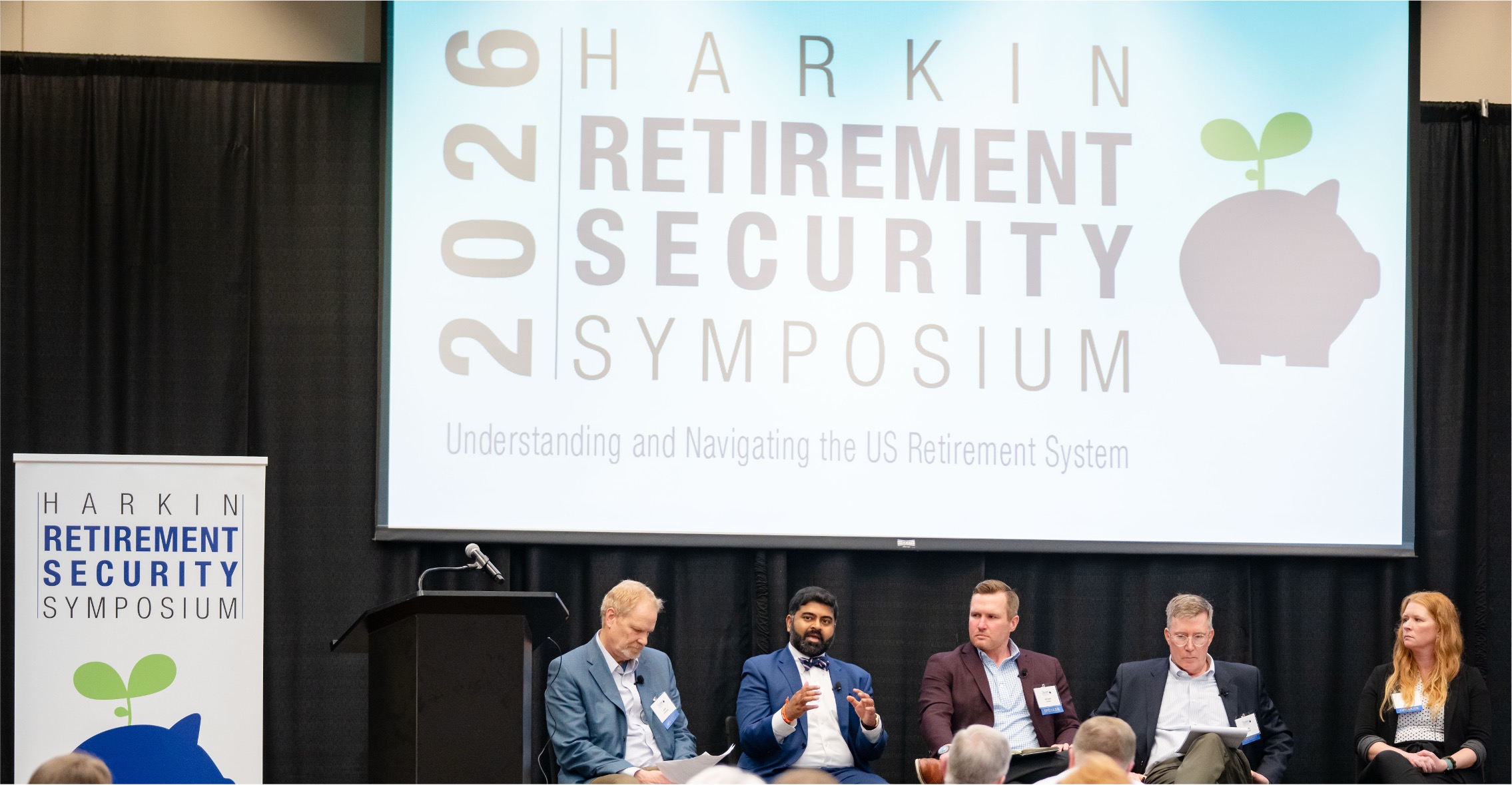
Why Emergency Savings Is the Foundation of Financial Wellness and Retirement Readiness
One of the biggest barriers to retirement savings is the lack of emergency savings. How can one save for the far future if they don’t have $400 in savings for an emergency today?
Today, nearly 3 in 5 Americans do not have $2,000 available to cover an unexpected expense. Without a financial cushion, workers are more likely to take early withdrawals from retirement accounts, incur debt, or delay saving altogether.
Emergency savings programs—especially those integrated into payroll—are proving to be highly effective:
- Employees save an average of over $200 per month
- Participation rates reach 40–60%
- Retirement contributions increase when emergency savings programs are offered
- Retirement loans and early withdrawals decrease among those with emergency savings
Rather than competing with retirement savings, emergency savings programs strengthen them. When employees feel financially secure in the present, they are more likely to invest in their future.
Student Loan Match: Bridging the Gap Between Debt and Retirement
Student debt remains one of the largest financial burdens in the U.S., with over 43 million borrowers holding $1.8 trillion in debt.
For many employees, this creates a difficult tradeoff: pay down debt or save for retirement.
The SECURE 2.0 student loan match provision addresses this challenge by allowing employers to match student loan payments as if they were retirement contributions.
The results are significant:
- Increased participation in retirement plans
- More employees maximizing employer match
- Potential for hundreds of thousands of dollars in additional retirement savings over time
This approach removes a major barrier and ensures employees don’t fall behind on retirement simply because they are managing debt.
The Federal Saver’s Match: A Game Changer for Low-Income Workers
Launching in 2027, the federal Saver’s Match is one of the most impactful changes in retirement policy in decades.
Unlike the previous Saver’s Credit, the new program:
- Provides a refundable match deposited directly into retirement accounts
- Matches 50% of contributions up to $1,000
- Targets low- and moderate-income workers
This shift is especially important for workers who previously could not benefit from tax credits due to low tax liability.
Research suggests that millions of Americans could benefit, with potential increases in retirement wealth of 8–12% for younger workers.
However, awareness will be critical. Historically, many eligible workers have not taken advantage of similar programs simply because they were unaware of them.
ABLE Accounts: Expanding Financial Inclusion
ABLE accounts provide a critical savings tool for individuals with disabilities.
These accounts allow eligible individuals to:
- Save beyond traditional asset limits
- Maintain eligibility for public benefits
- Use funds flexibly for a wide range of expenses
With expanded eligibility rules, ABLE accounts are increasingly being used not just for daily expenses, but also for long-term savings—including retirement.
This highlights a broader shift toward more inclusive financial systems that meet people where they are.
From Financial Education to Financial Action
One of the most important insights from the session is that financial education alone is not enough.
Traditional financial literacy programs often see engagement rates as low as 2–3%. In contrast, automated and employer-enabled solutions drive significantly higher participation and better outcomes.
The future of financial wellness includes:
- Automated savings through payroll
- Employer matching and incentives
- Integrated solutions that address real-life financial challenges
This shift from education to action is key to driving meaningful change.
Why Employers Should Care
Targeted economic security programs are not just beneficial for employees—they also deliver strong business outcomes.
Employers offering these programs are seeing:
- Higher employee retention
- Lower turnover costs
- Increased productivity and reduced financial stress
Financial wellness is becoming a core component of a competitive benefits strategy.
Conclusion: Building a Stronger Financial Future
The future of retirement security depends on more than just increasing contributions—it requires building a strong financial foundation.
Emergency savings, student loan match, the federal Saver’s Match, and ABLE accounts all play a role in creating a more resilient workforce.
By addressing immediate financial needs, these programs enable employees to take meaningful steps toward long-term financial security.
At Sunny Day Fund, we believe that when employees are financially stable today, they are better prepared to build wealth for tomorrow.